
[ivory-search id="1403" title="Default Search Form"]

Your coastal home faces unique conditions. Salt air, humidity swings, and frequent temperature changes challenge traditional hardwood floors. If you choose wisely, your floors will resist moisture, hold up under salt exposure, and stay beautiful for years. This guide shows you clear steps to choose hardwood flooring that suits coastal life. You will learn about wood species, construction types, finishes, installation tips, and maintenance practices. Use this guide to match your floors to your coastal surroundings and protect your investment.
Understand Challenges Of Coastal Environments
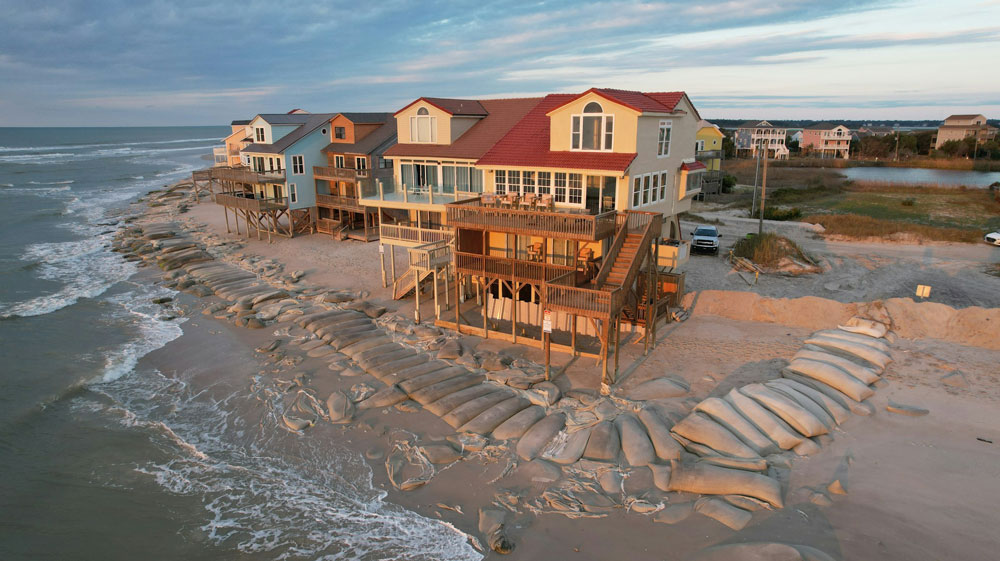
Coastal homes face higher humidity levels. Salt from sea spray floats in the air and settles on surfaces. Sunlight often reflects off water and nearby sand. These conditions create pressure on wood floors. Moisture changes cause wood to expand and contract. Salt crystals scratch surfaces and erode finishes. Bright sunlight fades some wood tones. Flooring choice should resist moisture, salt, and UV exposure. You should expect tight seasonal cycles between humid, salty air and dry indoor conditions if you run heating or air conditioning.
Select Hardwood Species Resistant To Moisture And Salt
Choose wood species that handle moisture and resist wear. Domestic oak offers balanced hardness with good stability. White oak rates around 1360 on the Janka hardness scale. Its close-grain structure limits moisture absorption compared to softer woods. Hickory rates around 1820 Janka. Its toughness and strong grain pattern hide wear from sandy debris tracked by shoes. Ash or walnut offers moderate hardness and a rich tone. European oak remains stable across humidity swings. Avoid soft species such as pine or fir. Those woods absorb moisture quickly and dent under heavy use. You will benefit from harder woods with tight grains in coastal settings.
Prefer Engineered Hardwood For Stability
Solid wood floors react strongly to moisture. Coastal humidity swings may make boards warp or cup over time. Engineered hardwood improves stability. The layered core resists expansion and contraction. You still get a real wood surface while improving resistance to humidity changes. Many engineered planks accept wider widths. Wider planks expose fewer seams. Salt and sand enter less between the boards. If your home sits close to the water or you expect wet footprints, engineered hardwood offers higher long-term value. You keep wood’s natural warmth without frequent humidity-induced issues.
Evaluate Finish Type And Texture
Finish and texture matter more around salt, sand, and pet paws. Choose a factory-applied finish built for durability. Aluminum oxide finishes resist scratches and hold up to sand and salt abrasion. Water-based finishes resist yellowing under UV light. Matte or low-gloss finishes conceal dust, sand grains, and salt crystals. Smooth high gloss finishes show scratches and salt residue quickly. Add a slight texture, such as wire-brushed or low-level hand-scraped grain. Textured surfaces hide small scratches better and create traction under damp paws or sandy feet. Avoid glossy smooth surfaces that highlight every sand scratch and salt mark.
Choose Colors And Styles Suited For Coastal Light
Coastal spaces often feature abundant natural light. That light may fade over time. Choose tones that age gracefully under UV exposure. Light natural oak, sandy ash, and warm gray oak match coastal aesthetics and resist visible fading. Mid-tone brown hickory hides dirt, salt residue, and wear from foot traffic. Very dark espresso tones absorb heat and show dust, salt granules, and scratches. Dark floors may look heavy under bright coastal light. When you stage coastal homes for sale, lighter neutral tones suit widely shifting design tastes. Neutral colors also allow easier coordination with coastal décor. Floors that age without noticeable fading remain appealing to future buyers.
Installation And Subfloor Preparation For Coastal Homes
Subfloor and installation practices affect moisture performance. Concrete slabs near coastlines may hold residual moisture. Test subfloor moisture levels before installation. Install a proper vapor barrier if slabs sit over damp ground or near water. For engineered wood over concrete, floating and glue down installation require different moisture control systems, so follow the flooring manufacturer’s instructions. Leave expansion gaps as the manufacturer recommends. Coastal humidity cycles force boards to expand and contract seasonally. Wide plank floors demand a flat subfloor. Use a leveling compound if needed. Poor subfloor preparation leads to cupping, gaps, and loose boards. Hire installers with coastal climate experience. Their workmanship may decide whether floors perform well or fail soon.
Maintenance Practices For Coastal Conditions
Daily cleaning reduces salt buildup. Salt granules grind wood surfaces if trapped under furniture or pets’ paws. Sweep or dry mop floors often. Use soft microfiber tools to remove sand and salt traces. Place doormats outdoors for every entrance. Ask guests to wipe sandy feet before entry. Use rugs in high-traffic zones near entries and patios. Clean spills as soon as you see them. Choose wood-safe cleaners. Avoid steam mops and excessive water. Humidity fluctuates outdoors. Indoor heating and air conditioning dry air quickly. Use a humidifier or dehumidifier to maintain stable indoor humidity between thirty five and fifty five percent. Stable humidity reduces expansion and shrinkage. Inspect floors twice per year. Look for gaps between boards or cupping edges. Touch up scratches with manufacturer-approved repair kits. Consider re-coating every five to seven years if you see wear on high-traffic paths.
Match Flooring With Coastal Design Styles And Resale Appeal
Coastal homes attract buyers seeking bright, breezy interiors with natural materials. Flooring influences that impression heavily. Light wood planks add openness and blend well with white walls, linen fabrics, light tile, and sea-inspired décor. Medium tones create warm bases for coastal bohemian or cottage styles. Wider planks support open floor plans common in coastal homes. They produce fewer seams and a smoother visual flow. Clean straight plank layouts without ornate borders suit modern coastal builds. If you design for resale value, choose hardwood that matches a coastal lifestyle. Buyers often look for durable floors that do not need to be refinished immediately. Engineered oak or hickory with matte finish and medium tone hits that mark. That flooring retains aesthetic appeal while resisting coastal wear. That gives you a competitive edge when selling or renting.
Make Final Choices Based On Your Location And Lifestyle
If your coastal home sits close to salt water, choose engineered hardwood with an aluminum oxide finish. Use light or medium-tone oak or hickory planks. Request a strong underlayment and moisture barrier during installation. If you expect sandy traffic, add rugs near doors. For homes moderately far from the coastline or with dry indoor climate control, select solid oak or hickory with a durable finish. Use a slightly textured surface to hide wear over time.
If you plan to stay long term and expect natural wear, pick wood with a refinishable surface. That path fits families who adapt and maintain. If you prefer low maintenance and stable floors with less risk, engineered hardwood works better. Avoid soft woods that absorb moisture. Avoid glossy finishes that highlight scratches. Avoid narrow planks that let sand collect between boards. Avoid dark stains that show salt and dust quickly.
Select flooring that fits your home’s climate, your lifestyle, and your design aesthetic. Follow proper installation and care. Do not treat hardwood floors like tile or vinyl. Maintain moderate indoor humidity. Clean salt and sand promptly. With thoughtful choices and consistent care, your coastal home will feature beautiful hardwood floors that stand up to salt air, moisture, and constant traffic. Your floors will support your lifestyle and appeal to future buyers.