
[ivory-search id="1403" title="Default Search Form"]
People usually ask this question because they want one thing: a floor that looks great and survives real life. Kids, pets, leaks, chair legs, sunlight, parties, and the occasional “how did that happen?” moment. Hardwood floors and vinyl plank (often called LVP: luxury vinyl plank) can both look fantastic, but they behave very differently once you live on them.
Hardwood acts like a natural material that ages and develops character. Vinyl plank acts like a high-performance surface that resists chaos. When you understand what each one does best (and where each one fails), the choice gets a lot easier.
What you’re actually buying
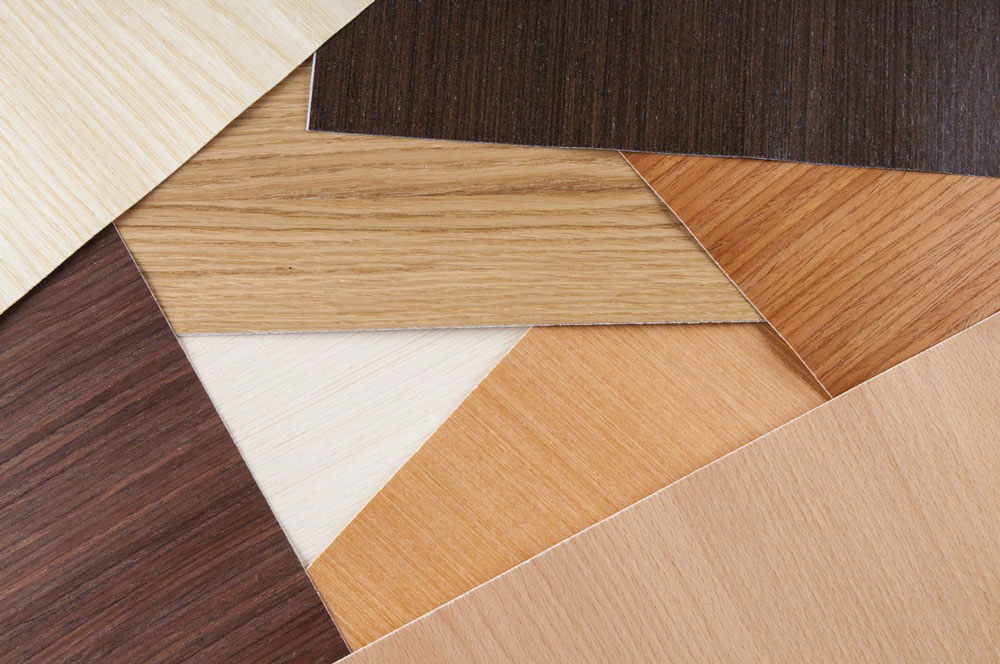
Hardwood flooring uses real wood all the way through (solid) or real wood on top of layered backing (engineered). Either way, the surface you see is real wood grain.
Vinyl plank uses a printed design layer with a protective wear layer on top. Modern vinyl can look shockingly realistic, especially from standing height, but it still behaves like a resilient synthetic floor.
That “behavior” matters more than most people think.
The biggest difference most homeowners don’t expect: repairability
Hardwood wins the long game because you can often sand and refinish it. Scratches, dullness, and even some stains can get erased or reduced with the right refinishing plan. This makes hardwood feel “forgiving” over decades. It can take a beating, then come back looking new.
Vinyl plank wins the short-to-mid game because it resists a lot of daily abuse, but it doesn’t refinish. When you damage vinyl deeply—especially if you gouge through the wear layer—you usually replace planks or live with the mark. That’s the trade: vinyl shrugs off many small problems, but it has a harder time recovering from big ones.
Moisture and water: vinyl’s superpower, hardwood’s weak spot
If you worry about spills, wet shoes, dog water bowls, or a kitchen that sees constant action, vinyl plank gives you peace of mind. Many LVP products handle water extremely well, and some brands market “waterproof” systems.
Hardwood can handle normal life, but it hates standing water and repeated moisture. It can cup, swell, or stain when water sits too long. Engineered hardwood usually handles humidity changes better than solid hardwood, but wood still reacts to water because it’s wood.
A practical way to think about it:
- If you expect frequent water events, vinyl makes your life easier.
- If water feels rare and manageable, hardwood stays on the table.
Feel and sound: hardwood usually feels more “real” underfoot
Hardwood often feels warmer, denser, and more solid when you walk on it—especially when installers glue or nail it correctly, and you use proper underlayment.
Vinyl can feel slightly softer and quieter, which some people love, but it can also feel a bit “hollow” if the subfloor isn’t flat or if the click-lock system bridges small dips. This is one of those hidden truths: subfloor prep controls how vinyl feels more than most people realize. A cheap install makes vinyl feel cheap.
If you care about that upscale, grounded, quiet-solid feeling, hardwood usually delivers it more naturally. If you care about softer steps and sound dampening, vinyl can do well, especially in condos and upstairs rooms.
Scratches, dents, and pets: it depends on the type of damage
This is where people get surprised.
Hardwood can scratch from pet nails, grit, and heavy traffic. Softer species dent more easily than harder species. Finish quality also matters a lot. But hardwood can often recover because you can refinish it.
Vinyl resists many surface scratches well, especially with a thicker wear layer, but it can gouge under sharp impacts or heavy furniture dragged the wrong way. Also, once you gouge vinyl, you can’t “buff it out” the same way you can with wood.
If you have big dogs, kids, and constant movement:
- Vinyl often wins day-to-day stress tests.
- Hardwood can still work beautifully if you choose a harder species, use good mats, and accept occasional character marks—or plan for refinishing later.
Sunlight and fading: both can change, but in different ways
Sunlight can change hardwood color over time. Some woods amber, deepen, or shift tone. Area rugs can leave “tan lines” if you never move them.
Vinyl can fade too, and the cheap stuff shows it faster. Higher-quality LVP tends to handle UV better, but sunlight still tests everything. If you have massive windows or intense afternoon sun, ask specifically about UV resistance for vinyl and expected color change for hardwood.
A simple habit helps either way: rotate rugs and furniture occasionally, especially in sunny rooms.
Resale value and perception: hardwood usually signals “premium.”
In many markets, buyers still view hardwood as a premium feature. It signals quality and longevity. That perception can support resale value and help a home feel more upscale.
Vinyl plank has improved a lot, but some buyers still categorize it as “budget” even when it looks great. That said, a gorgeous vinyl install can absolutely beat tired, scratched hardwood in visual appeal. Condition matters.
If you plan to sell soon and your market loves classic finishes, hardwood often makes a stronger impression. If you plan to live there and want low-maintenance durability, vinyl can make a smarter lifestyle choice.
Maintenance and cleaning: vinyl stays simple, hardwood stays careful
Vinyl plank likes straightforward cleaning. You can sweep, vacuum, and damp mop (without soaking). It generally doesn’t demand special products beyond “don’t use harsh abrasives.”
Hardwood asks for a little more respect. You want less water, the right cleaner, and a quick cleanup for spills. You also want felt pads under furniture and rugs in high-traffic lanes if you want the finish to stay pristine.
Hardwood doesn’t require constant babysitting, but it rewards good habits.
Installation realities: the floor you choose changes the whole project
Vinyl plank often installs faster, especially click-lock systems. That speed can reduce labor costs and downtime. It also works well over concrete slabs, which matters in many homes.
Hardwood installation can cost more and take longer. Solid hardwood usually needs nailing to a wood subfloor, and engineered hardwood offers more flexibility (glue-down, nail, sometimes float, depending on product). Hardwood also demands better humidity control during and after installation.
One more insider tip: flatness matters more than almost anything for vinyl. A slightly wavy subfloor that hardwood might tolerate can make click-lock vinyl separate, flex, or feel bouncy. Good installers spend time on leveling because vinyl exposes imperfections.
Cost: don’t compare only by square-foot price
People compare the material price per square foot and stop there. That misses the full picture.
Hardwood often costs more up front, but it can last for decades and accept refinishing. Vinyl often costs less up front, but you may replace it sooner depending on traffic, sun exposure, and how the home gets used.
Instead of asking “Which is cheaper?” ask:
- How long do I plan to live here?
- Do I want a floor I can refinish, or do I prefer a floor I can replace without guilt?
- How rough is daily life in this space?
Quick “pros and cons” without the giant list
Hardwood pros: timeless look, real material, strong resale perception, can refinish and restore, ages with character.
Hardwood cons: hates standing water, can scratch/dent, needs more careful cleaning, and usually costs more to install.
Vinyl plank pros: water resistance, easier cleaning, strong scratch resistance for daily life, usually lower cost, faster installation, and comfortable underfoot.
Vinyl plank cons: can gouge, can feel hollow with poor prep, doesn’t refinish, may fade or look less “premium” up close, depending on quality. It is made of plastic!
Which one should you choose?
Choose hardwood when you care about authenticity, long-term value, and the ability to refresh the floor years down the road. It shines in living rooms, dining rooms, bedrooms, and any space that calls for a classic, high-end feel.
Choose vinyl plank when you want durability, moisture confidence, and simple maintenance—especially for busy households, rentals, basements, slab homes, or areas where spills happen often.
The real “win” comes from picking the floor that matches your lifestyle instead of forcing your lifestyle to tiptoe around your floor.