
[ivory-search id="1404" title="AJAX Search Form"]

Picking a hardwood floor for a modern home feels like choosing a “base layer” for your entire design life. You’re not just selecting wood. You’re deciding what every wall color, sofa fabric, and kitchen cabinet will look like for the next decade. No pressure, right?
Two of the most popular choices for modern interiors are European oak and walnut. They both look high-end. They both photograph beautifully. They both make a space feel intentional, rather than “we moved in and hoped for the best.”
But they give off very different energy, and they behave differently under real-life—shoes, kids, sunlight, pets, office chairs, and that one friend who drags bar stools like it’s a sport.
So let’s compare European oak and walnut the way you actually need it: how they look in modern homes, how they wear, and what you might regret later if you don’t think it through.
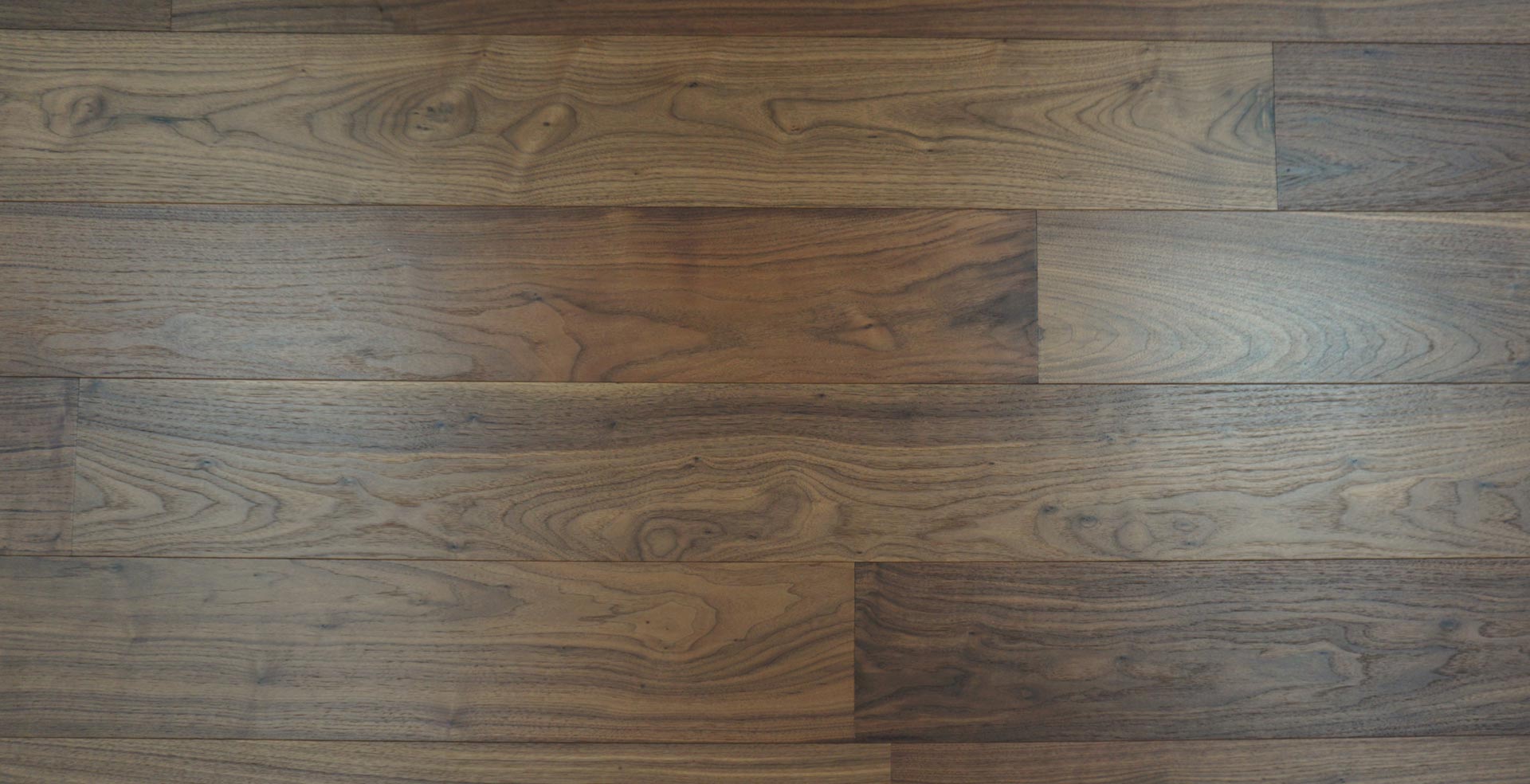
The vibe difference: calm minimalism vs rich drama
European oak often feels like the modern default for a reason. It has a natural, neutral base. It works with white walls, warm neutrals, black accents, soft grays, minimalist furniture, and just about every “modern” style that isn’t screaming for attention.
Walnut is different. Walnut doesn’t whisper. Walnut speaks in a lower voice, wears a nice jacket, and makes your living room feel like it has a point of view. It’s darker, warmer, and naturally luxurious. Walnut floors can make a space feel grounded, moody, and expensive, even if your coffee table came from an online sale you don’t want to talk about.
If your goal is a bright, airy modern home with a relaxed, natural look, European oak usually fits better. If you want a modern home that feels bold and elevated, walnut can be stunning.
Color and undertones: where most people either win or suffer quietly
European oak comes with a wide range of tones depending on the finish. Natural European oak tends to fall within the light-to-medium spectrum, with warm beige, tan, or neutral undertones. In modern designs, you often see it finished with matte coatings, light stains, or “raw oak” looks that keep it soft and natural.
Walnut, on the other hand, starts darker. It ranges from chocolate brown to deeper coffee tones, sometimes with purplish or reddish warmth depending on the boards and lighting. And walnuts can have beautiful variation. Some planks look almost caramel. Others look deep and rich. That variation can feel organic and high-end.
Here’s the thing people don’t realize until after installation: dark floors don’t just look darker. They change how the entire room reads. They increase contrast. They make walls look brighter. They can make a room feel smaller, cozier, or more dramatic depending on the space and lighting.
In a large modern home with big windows, walnut can look absolutely incredible. In a smaller, lower-light space, walnut can feel heavy unless you balance it with lighter furniture and walls.
European oak tends to be more forgiving because it doesn’t pull the room darker as aggressively. It plays nicely with almost any palette.
Grain and texture: what you’ll actually notice every day
European oak often has visible grain and character, especially in wider planks. Many European oak floors come wire-brushed or lightly textured, which highlights grain and helps hide small scratches. In modern homes, that texture and matte finish combo is a big reason people love it. It looks natural, not glossy.
Walnut grain can look smoother and more refined. It still has grain, but it often reads as more subtle and elegant rather than rustic. Walnut also tends to look amazing in cleaner finishes, which can be a blessing and a curse. Cleaner, smoother surfaces show wear more easily. They also look absolutely gorgeous when new.
If you want a floor that hides small imperfections and feels relaxed, European oak’s texture and grain often win. If you want a sleek, upscale look and you’re okay with a floor that might show some personality over time, walnut is compelling.
Durability in a busy home: dents, scratches, and the truth nobody wants
Let’s talk about wear without pretending any wood is indestructible.
European oak is generally a strong choice for high traffic. Oak is tough, and it handles daily life well, especially when you choose a good finish. Many European oak products are engineered wide planks, which adds stability, and they often come with finishes designed for real use.
Walnut is softer than oak. That doesn’t mean walnut is “weak.” It means walnut dents more easily under heavy impact. Dropped objects, chair legs, dog claws, and heels can leave marks faster.
Now, some people actually like that. Walnut can develop a lived-in patina that looks warm and natural. If you expect a walnut to stay pristine forever, you’ll spend your life staring at the floor and sighing. If you accept that the walnut will show history, it can feel charming.
If you have a busy household—kids, big dogs, constant guests—European oak usually feels like the safer long-term choice. If your home is calmer and you prioritize look over maximum dent resistance, walnut can still work beautifully.
Scratch visibility: the sneaky detail that matters more than hardness
Scratch visibility depends a lot on finish, sheen, and color.
Dark floors show dust, lint, and micro-scratches more. Light floors show some stains more, but hide dust better. It’s not fair, but it’s real.
Walnut’s darker tone can highlight fine scratches in certain lighting, especially if you choose a smoother finish. European oak’s lighter tone and common textured finishes often hide daily scuffs better.
If you want the most forgiving setup, European oak in a matte finish with a bit of texture tends to win in the “I don’t want to think about my floor every day” category.
Sunlight and color change: your floor will age, and it will do it in public
Both woods change over time with sunlight.
Walnut often lightens a bit and shifts as it ages. Depending on the finish and exposure, it can mellow. European oak can deepen or warm slightly. Rugs can create “tan lines” on any wood floor, especially in rooms with strong sunlight.
Modern homes often have large windows. That means UV exposure matters. If you love walnuts, plan for window treatments or UV-protective strategies, especially if you plan to leave rugs in the same spots for years.
European oak tends to hide gradual change more because it starts lighter and more neutral, but it still changes.
If you’re someone who rearranges furniture and rugs often, you’ll notice this less. If you set a rug down and treat it like a permanent fixture, the floor will reveal the outline eventually. Floors are honest like that.
Maintenance: what your future self will thank you for
Maintenance isn’t just “clean it.” It’s also how easy it is to keep it looking good.
European oak with modern matte finishes tends to be easy to live with. Regular sweeping, gentle hardwood-safe cleaning, and basic protection at entry points go a long way.
Walnut needs the same basic care, but you may find yourself being more protective because wear shows sooner. Felt pads on furniture are not optional if you want to keep the walnut looking clean. Entry mats matter even more.
If you go walnut, you can absolutely keep it beautiful. You just need to be the kind of person who doesn’t drag chairs like you’re moving a piano.
Modern style compatibility: which one matches your aesthetic
European oak fits almost every modern look. It works with Scandinavian minimalism, modern farmhouse, Japandi, contemporary, and even transitional spaces that mix modern and traditional. It’s versatile because it doesn’t dominate the room.
Walnut leans more toward mid-century modern, high-contrast contemporary, modern luxury, and moody design. It pairs beautifully with black metal, brass, deep greens, soft creams, and warm neutrals. Walnut also looks incredible with white walls because the contrast feels intentional.
If your home has a lot of black accents and clean lines, walnut can look sharp and expensive. If your home leans soft and airy, European oak often matches the mood more naturally.
Budget and value: the practical reality
Walnut typically costs more than oak, especially for high-quality planks. European oak can also get expensive, particularly in wide planks with premium finishes and long lengths, but oak generally gives you more options at more price points.
If you want to maximize value, European oak tends to deliver a strong balance of cost, durability, and style. Walnut is more of a “design statement” purchase. It can be worth it if you love it, but it’s rarely the most practical choice for a rough-and-tumble household.
So which should you choose for a modern home?
European oak is usually the best choice when you want modern, timeless, and forgiving. It handles daily life well. It works with almost any design direction. It hides wear better in common finishes. It’s the floor you install and then stop thinking about, which is honestly the dream.
Walnut is usually the best choice when you want modern, rich, and dramatic. It makes a home feel upscale and intentional. It’s especially beautiful in large spaces with great lighting. It does better when you treat it kindly and accept that it will show some character over time.
If you’re stuck, here’s a simple way to decide. Picture your home five years from now. If the thought of a few dents or visible wear marks would bother you, go with European oak. If you love walnut’s look enough that you’d still choose it even knowing it will patina, go with walnut.
Either way, the best modern floor is the one that looks great in your home’s lighting, works with your fixed finishes, and doesn’t turn you into a full-time floor inspector. Floors should support your life, not become your newest source of anxiety.