
[ivory-search id="1403" title="Default Search Form"]

The color usually gets all the attention when you shop for hardwood floors. You compare pale oak with warm brown tones, picture the boards beside your cabinets, and eventually find something you love. Then someone asks whether you want matte or satin, and suddenly you have another decision to make.
It might sound like a small detail, but shine changes how the floor looks across an entire room. The same wood can feel relaxed and understated with a matte finish or a little more polished with satin.
If you’re deciding between matte vs satin hardwood floors, here’s where I would start. Choose matte if you love the wood but don’t want much shine. Choose satin if you want a soft glow. Before committing, though, take a closer look at how each option will work in your home.
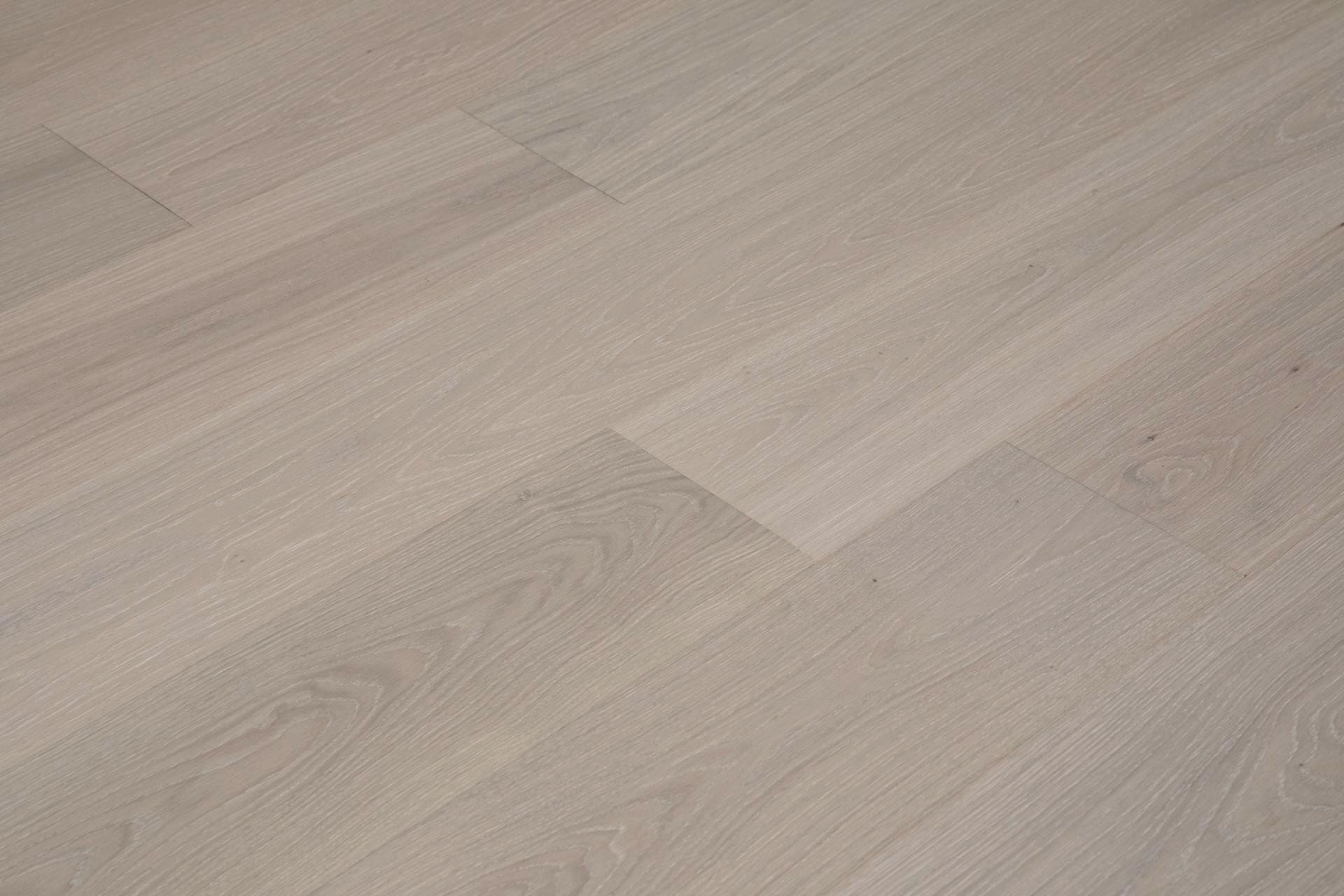
What Matte and Satin Actually Look Like
A matte hardwood floor reflects less light, so you notice more of the wood and less of the shine. The grain, knots, and variations between boards tend to draw your eye. It’s an appealing look if you want the floor to feel natural without a glossy surface.
Matte doesn’t mean bare wood. A protective coating can give the floor that quiet appearance while still protecting its surface.
Satin has a little more luster. You’ll notice a gentle reflection when sunlight falls across it, but you won’t get the strong shine you see on a glossy floor. For someone who likes a traditional hardwood look but dislikes a mirrorlike surface, satin offers a comfortable middle ground.
Manufacturers don’t all use identical sheen levels, so always compare samples. One company’s satin may look quieter than another’s. The wood’s texture also affects the overall appearance, which makes an actual sample more useful than a finish label.
Think About the Room Before You Think About Trends
Imagine a living room with pale oak floors, a linen sofa, and sunlight coming through large windows. Matte would keep the floor from competing with everything else. You could still enjoy the wood’s character without noticing reflections every time you walked into the room.
Now picture warm brown hardwood beside traditional cabinetry and upholstered dining chairs. Satin’s gentle glow might suit that room beautifully.
Neither choice belongs to only one decorating style. You can use matte in an elegant dining room or satin in a simple, contemporary space. What matters is whether you enjoy the way the floor looks with your furniture, walls, and lighting.
Your choice between European oak and American oak also affects that overall look. Grain, plank width, and color all contribute to the room’s character, so consider the finish alongside those features.
If you already have shiny countertops, glass tables, or reflective tile nearby, think about whether you want the floor to add more shine. Sometimes, a quieter surface gives your eyes a place to rest.
Which One Will Show Scratches and Dust?
This is often the more useful question, especially if you have children, pets, or a household that rarely sits still.
Matte’s lower reflection can make minor surface marks less noticeable. Satin also helps hide everyday scratches and footprints, particularly compared with a highly glossy finish. You don’t have to give up all shine to get a practical floor.
Still, matte won’t make a dark floor hide pale dust or pet hair. Color creates contrast, and sheen cannot erase it. A light scratch can also stand out against dark brown wood, regardless of how little the surface shines.
If visible mess worries you, look at color, grain, and texture together. A floor with some natural variation may draw less attention to a small mark than a smooth, uniformly dark surface.
Does Satin Protect the Floor Better Than Matte?
A shinier floor can look tougher, but appearance doesn’t tell you how much protection the coating provides.
Matte and satin describe sheen. They don’t tell you whether the manufacturer used a particular lacquer, polyurethane, or oil system. Kährs, for example, offers matte and satin lacquer and states that its matte version provides the same durability and ease of maintenance as satin. That comparison applies to its own finishes, but it shows why you shouldn’t judge protection by shine alone.
Ask your supplier which finish each floor uses and whether the two options offer comparable performance. If you’re comparing different flooring collections, check more than their sheen labels.
Remember that scratches and dents involve different concerns, too. The coating helps protect the surface, while the wood’s hardness influences its resistance to dents. A dragged chair or dropped object can leave a mark on either finish.
Your Windows May Make the Decision Easier
Bring the samples home before choosing. Showroom lighting can make two finishes look quite similar, while afternoon sunlight in your living room may reveal a much bigger difference.
Place the boards flat on the floor near a window. Look across them from the doorway, then sit down where your sofa normally goes. You’ll notice reflections differently from each position. Move the samples into a shaded corner and check them again after you switch on your evening lights.
If satin catches your eye in a way you enjoy, that’s helpful information. If you keep noticing the reflection instead of the wood, matte may feel more comfortable.
Neither Finish Lets You Skip Cleaning
Matte may make a few footprints less obvious, but it doesn’t keep dirt off the floor. Grit still collects near entrances, under dining chairs, and wherever people walk most often.
For routine hardwood floor care, the National Wood Flooring Association recommends sweeping, dust mopping, or vacuuming with the bare floor setting. Wipe up spills promptly with a dry or slightly damp cloth, and avoid wet mops and steam mops.
Before buying a cleaner, find out what finish you actually have. Two floors can both look matte while requiring different care because one uses oil and the other uses lacquer. Choosing a cleaner that suits your hardwood finish helps you avoid products that leave residue or interfere with the surface.
Also, resist the urge to “fix” a matte floor with a product that promises extra shine. Its low sheen may look exactly as the manufacturer intended. Check the care instructions before using polish or refresher, especially if you want to preserve that natural appearance.
Compare the Same Floor in Both Finishes
Try to get matte and satin samples in the same species, stain color, and texture. Otherwise, you may fall for one board’s color and mistakenly credit the finish.
For a floor that a contractor will stain and finish in your home, ask for sample boards with the proposed combination. A finish label alone won’t show you the result.
Leave the samples beside your cabinets or furniture for a few days. You don’t need to make the decision during the first five minutes. Give yourself time to notice which one you keep coming back to.
Making Your Final Choice
I would choose matte if I wanted the grain and color to get most of the attention. I would choose satin if the room felt better with a little luster. For a busy home, I’d pay just as much attention to coating quality and wood color as sheen.
You may also have options to change the sheen later. A professional maintenance coat involves cleaning, preparing the existing finish, and applying a fresh coat. Ask a flooring professional whether your particular floor will support that approach.
As you explore Bergamo’s hardwood flooring collections, look at the complete combination of color, grain, texture, and sheen. Then bring your favorite samples home.
Choose the finish you enjoy in your own room, under your own lighting. You’ll live with the floor long after you forget what it looked like in the showroom.