
[ivory-search id="1403" title="Default Search Form"]

Oak flooring is one of the safest choices you can make for a home. It is classic, durable, easy to live with, and flexible enough to work with many interior styles. But once you narrow your flooring choice to oak, another question usually comes up: should you choose white oak or red oak?
Both are real hardwood. Both can last a long time. Both can be stained, refinished, and used in traditional or modern homes. But they do not look or feel exactly the same.
White oak has become very popular in newer homes, especially for wide plank flooring and lighter natural finishes. Red oak has been used in American homes for decades and is still one of the most common hardwood flooring choices. The better option depends on your style, your budget, and the kind of look you want your home to have.
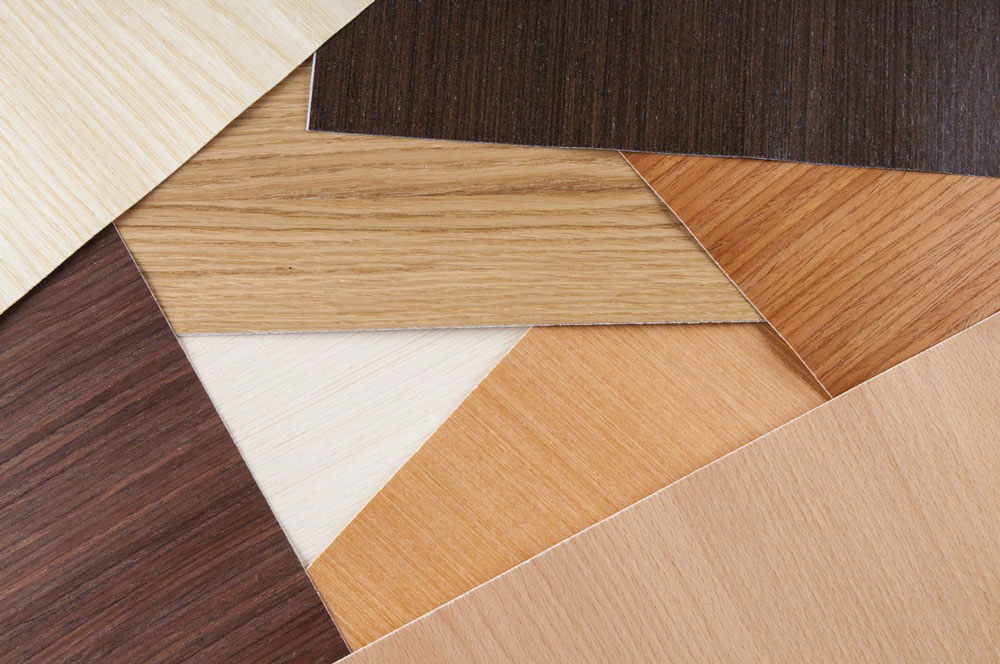
The simple difference between white oak and red oak
White oak and red oak are both hardwoods, but they have different color tones, grain patterns, hardness levels, and price points.
White oak usually has a calmer, smoother look. It often leans beige, light brown, grayish tan, or soft golden brown. It does not mean the wood is actually white. The name can be a little misleading. White oak is more neutral, which is why designers love it for modern, coastal, Scandinavian, farmhouse, and luxury-style interiors.
Red oak has warmer tones. It can show hints of pink, amber, light red, or honey. The grain is usually more noticeable and active. If you like a floor with more movement, character, and traditional warmth, red oak may feel more natural to you.
Neither one is automatically better. They just give a different feeling to the room.
What white oak flooring looks like
White oak flooring has a more understated appearance. The grain is usually tighter and less busy than red oak. That makes it easier to use in modern interiors where the floor should feel warm but not too loud.
A natural white oak floor can look soft, clean, and expensive without trying too hard. It works beautifully with white walls, black accents, natural stone, linen furniture, warm metals, and minimalist spaces.
White oak is also popular because it takes certain stains very well. If you want a light natural floor, a soft beige floor, a greige tone, or a muted brown finish, white oak usually handles those colors better than red oak.
This is one reason white oak is used so often in high-end homes. It gives you that clean designer look without making the room feel cold.
What red oak flooring looks like
Red oak flooring has a stronger grain pattern and a warmer personality. It usually shows more lines, swirls, and movement. Some homeowners love this because it gives the floor more texture and character.
Red oak can feel cozy, familiar, and traditional. It works well in classic homes, craftsman-style homes, older houses, and spaces where you want the flooring to feel warm and welcoming.
Because red oak has natural pink and reddish undertones, it can be harder to make it look pale, beige, or gray. You can stain red oak in many colors, but those warm undertones can still show through. This is especially noticeable if you are trying to create a very modern light oak look.
That does not make red oak bad. It just means you need to choose the right finish. Red oak can look beautiful in natural, medium brown, honey, chestnut, and warm walnut tones.
Which one looks more modern
White oak usually looks more modern.
Its grain is softer, its color is more neutral, and it works better with the lighter finishes many homeowners want today. If you are going for a clean, updated, luxury look, white oak is probably the easier choice.
White oak also looks great in wide plank flooring. Wider boards show off the natural beauty of the wood without looking too busy. This is why you see white oak in many newer custom homes, remodels, and designer interiors.
Red oak can still look updated, but it takes more careful planning. A red oak floor with the wrong stain can look dated, especially if it has a strong orange or pink tone. But with the right finish, red oak can still feel fresh and beautiful.
If your style is modern, organic, coastal, or minimalist, white oak is usually a better fit. If your style is warm, classic, traditional, or rustic, red oak may fit your home naturally.
Which one is better for a warm home
Red oak is the warmer-looking wood.
If you want your home to feel cozy, familiar, and inviting, red oak can be a great choice. Its natural warmth can make a room feel less plain and more lived-in.
This works especially well with creamy walls, traditional furniture, warm lighting, brick fireplaces, wood cabinets, and classic trim details.
White oak can also feel warm, but in a quieter way. It is more neutral and balanced. It does not usually bring the same rosy or amber tone that red oak brings.
So if your goal is warmth and character, red oak deserves serious consideration. If your goal is warmth with a cleaner and more neutral look, white oak may be better.
Which one is harder and more durable
White oak is slightly harder than red oak, but the difference is not huge.
On the Janka hardness scale, red oak is around 1290, while white oak is around 1360. That means white oak has a small advantage when it comes to hardness, but both are strong flooring options for normal home use.
In real life, the finish, maintenance, and wood grade can matter just as much as the species. A well-finished red oak floor can hold up beautifully. A poorly maintained white oak floor can still scratch, dent, or wear down.
No hardwood floor is completely scratch-proof. If you have kids, pets, or heavy foot traffic, you should pay attention to the finish, sheen, texture, and color. Satin and matte finishes tend to hide wear better than glossy finishes. Light and medium tones usually hide dust and small scratches better than dark floors.
Which one handles moisture better
White oak has a tighter grain structure, which makes it more resistant to moisture than red oak. That does not mean white oak is waterproof. It is still real wood, and real wood can be damaged by standing water.
But white oak does have an advantage in areas where the floor may deal with minor moisture changes or everyday spills. This is one reason white oak has been used historically for things like boats and barrels.
For flooring, this means white oak may be a better option for kitchens, entryways, and busy areas where spills happen. You still need to wipe up water quickly, use rugs where needed, and avoid wet mopping.
Red oak is more porous, so it can absorb moisture more easily. If you choose red oak, good sealing and proper maintenance are important.
Which one stains better
White oak is usually easier to stain in modern colors.
If you want a natural beige, soft brown, light gray, greige, or muted tone, white oak is often the better choice. It has less pink in the wood, so the final color usually looks cleaner.
Red oak can stain beautifully too, but its natural undertones affect the final result. If you put a light stain on red oak, the pink or reddish tones may still come through. If you use a gray stain, the result can sometimes look slightly muddy or uneven unless the floor is handled by someone experienced.
Red oak works very well with warm stains. Medium brown, golden brown, chestnut, provincial, antique brown, and walnut-style colors can look rich and natural on red oak.
If you are trying to match an existing older floor, red oak may also be easier because many older American homes already have red oak flooring.
Which one is better for light natural floors
White oak is usually the better choice for light natural floors.
That soft, pale, natural oak look you see in many modern homes is often white oak. It gives you a clean look without the strong pink tones that can show up in red oak.
A light white oak floor can make a room feel bigger, calmer, and brighter. It also pairs well with many cabinet colors, including white, black, natural wood, sage green, navy, and warm taupe.
Red oak can be finished lighter, but it may not give the same neutral look. If you want a true light beige or natural designer-style floor, white oak is usually safer.
Which one is better for darker floors
Both white oak and red oak can look beautiful in darker stains.
White oak with a dark brown or espresso finish often looks smooth, elegant, and refined. The grain is still visible, but it usually feels more controlled.
Red oak with a dark stain can look bold and dramatic because the grain pattern is stronger. If you like a floor with visible movement and depth, red oak can be very attractive in darker tones.
One thing to keep in mind is that very dark floors show more dust, footprints, pet hair, and scratches. This is true whether you choose white oak or red oak.
If you want a darker floor but also want easier maintenance, consider a medium brown instead of a very dark espresso or black-brown finish.
Which one costs more
Red oak is usually more affordable than white oak.
Red oak is widely available and has been one of the most common hardwood flooring choices for a long time. Because of that, it is often easier to find and usually costs less.
White oak has become very popular, especially for wide plank and premium flooring. Higher demand can make it more expensive. Wide plank white oak, European white oak, and select-grade white oak can cost noticeably more than standard red oak.
That said, price depends on the grade, plank width, thickness, finish, brand, and whether the floor is solid or engineered. A basic white oak floor may cost less than a premium red oak floor, but in most cases, white oak is the higher-priced option.
If budget is a major factor, red oak can give you a real hardwood floor at a more approachable price.
Which one gives better value
The best value depends on what you want from the floor.
Red oak gives excellent value if you want real hardwood, good durability, and a lower price. It is a practical choice for homeowners who want quality without paying extra for current design trends.
White oak gives excellent value if you want a more updated look, better moisture resistance, and a floor that fits modern interiors. It may cost more upfront, but it can also make the home feel more current and high-end.
If you are remodeling to sell, white oak may appeal more to today’s buyers, especially in homes with modern finishes. If you are improving a home for long-term living and want to stay within budget, red oak may be the smarter financial choice.
Which one is better for resale
White oak often has stronger resale appeal right now because it matches current design trends. Buyers like the clean, neutral, natural look. It photographs well, works with many styles, and can make a home feel newer.
Red oak still has resale value because it is real hardwood. A well-maintained red oak floor is much better than cheap flooring that looks temporary. But if the red oak has an orange or pinkish finish, some buyers may see it as dated.
The good news is that red oak can usually be refinished. If your home already has red oak floors, you may not need to replace them. A professional refinishing job with the right stain can make them look much better.
For resale, condition matters more than the species. A clean, well-finished red oak floor will beat a scratched, poorly installed white oak floor every time.
Which one is better with pets and kids
Both can work well in family homes, but white oak has a slight edge because it is a little harder and less porous.
That said, red oak’s stronger grain can help hide small scratches and dents. Sometimes a busier grain pattern is more forgiving than a very smooth, clean-looking floor.
For pets and kids, the best choice is not only about white oak versus red oak. Look for these details too:
- A durable finish
- A satin or matte sheen
- A light or medium color
- A textured or wire-brushed surface
- Good rugs in high-traffic areas
- Felt pads under furniture
A glossy dark floor may look beautiful in a showroom, but it can be frustrating in a busy home. A natural or medium-tone oak floor is usually easier to live with.
Which one works better with cabinets
White oak is easier to pair with modern cabinets because it has a more neutral tone. It works beautifully with white cabinets, black cabinets, natural wood cabinets, and soft earthy colors.
If you are planning a kitchen remodel, white oak gives you more flexibility. It can look clean with modern flat-panel cabinets or warm with shaker cabinets.
Red oak works well with traditional cabinets, cream cabinets, warm wood cabinets, and classic kitchen designs. The key is avoiding too many competing wood tones. If your cabinets are already very warm or reddish, red oak flooring may make the whole space feel too orange or too heavy.
A good rule is to bring flooring samples into the room and look at them next to your cabinets during the day and at night. Oak changes a lot depending on lighting.
Which one is better for older homes
Red oak often feels very natural in older homes because many traditional American homes were built with red oak flooring. If your house already has red oak in some rooms, matching it may be the best choice.
White oak can also work in older homes, especially if you want to update the space while keeping real wood. It can create a nice balance between old character and modern design.
If you are restoring a home, red oak may feel more historically consistent. If you are remodeling an older home for a cleaner, more updated look, white oak may give you the change you want.
Which one is better for modern homes
White oak is usually better for modern homes.
It has the calm grain, neutral color, and natural warmth that works well with today’s interiors. It does not fight with other design choices. It lets the furniture, lighting, cabinets, and wall colors stand out.
White oak also works very well with wide planks, which are common in modern flooring design. A wide plank white oak floor can make a home feel open, clean, and expensive.
Red oak can still work in modern homes, but it needs the right finish. A very warm red oak floor may not match a minimalist or contemporary space as easily.
What about solid and engineered options
Both white oak and red oak are available as solid hardwood and engineered hardwood.
Solid oak is made from one piece of wood. It can usually be sanded and refinished several times. It is a great choice for above-ground rooms with a wood subfloor.
Engineered oak has a real oak surface layer over a layered core. It is more stable and often better for concrete slabs, condos, basements, and wider planks.
White oak is especially popular in engineered flooring because many homeowners want wide planks and lighter finishes. Red oak is still very common in solid hardwood because it has been used in homes for so long.
The species matters, but the construction matters too. A high-quality engineered white oak floor may perform better in your home than a solid red oak floor installed in the wrong place.
How to choose based on your style
Choose white oak if you like a clean, soft, neutral look. It is a better match for modern, coastal, Scandinavian, organic, transitional, and luxury interiors.
Choose red oak if you like warmth, character, and a more classic hardwood appearance. It works well with traditional, rustic, craftsman, farmhouse, and cozy home styles.
If your home has a lot of cool tones, white walls, black accents, or modern furniture, white oak will probably fit better.
If your home has warm paint colors, traditional trim, antique pieces, brick, or classic furniture, red oak may feel more natural.
How to choose based on budget
Choose red oak if you want real hardwood and want to control the cost. It is usually more budget-friendly and easier to find.
Choose white oak if you are willing to spend more for a cleaner look, better trend appeal, and slightly better moisture resistance.
If you love the look of white oak but the price is too high, consider engineered white oak, narrower plank widths, or a lower grade with more natural character. Sometimes a floor with knots and variation can look beautiful while costing less than a perfectly clean select-grade floor.
If you already have red oak floors, refinishing them may be much more affordable than replacing them with white oak. Many homeowners are surprised by how different red oak can look with a better stain and finish.
Mistakes to avoid before choosing
Do not choose based only on a small sample. A tiny piece of oak will not show you how the grain looks across an entire room.
Do not assume white oak is always pale. White oak can be light, medium, or dark depending on the finish.
Do not assume red oak always looks red. With the right stain, red oak can look warm brown, golden, or rich and classic.
Do not pick a trendy color without thinking about your cabinets, walls, lighting, and furniture. Flooring covers a large surface area, so it affects the whole mood of the home.
Do not forget maintenance. A floor that looks perfect online may not be easy to live with in your actual house.
The best way to test white oak and red oak at home
Bring home large samples if possible. Place them in the rooms where the flooring will go. Look at them in morning light, afternoon light, and evening light.
Put the samples next to your cabinets, baseboards, furniture, rugs, and wall colors. A floor that looks perfect in a showroom can look completely different inside your home.
Also look at the grain from a few feet away. White oak usually feels calmer. Red oak usually feels more active. One is not wrong. It depends on what your eye likes seeing every day.
A practical designer trick
Before choosing, ask yourself what you want people to notice first when they walk into the room.
If you want the floor to quietly support the whole design, white oak is usually the better choice. It gives the room a clean foundation without demanding too much attention.
If you want the floor to bring warmth, movement, and visible wood character, red oak may be the better fit. It has more personality and can make a room feel comfortable right away.
For many homes, the decision comes down to this: white oak feels calm and current, while red oak feels warm and familiar. Your budget may point you one way, but your home’s style will usually tell you the answer.